
At first glance, painting your brick might seem like a simple way to refresh the look of your home. A fresh coat of white or gray paint can give your exterior a clean, modern finish. Pinterest and home improvement shows make it look easy and appealing. But behind that aesthetic upgrade lies a risky decision, especially in a climate like Milwaukee’s.
As a masonry contractor, we have seen firsthand what happens when painted brick goes wrong. And unfortunately, it goes wrong a lot. We are not here to judge your design choices, but we are here to tell you what most people will not. Painting your brick might look good in the short term, but it often creates long-term headaches you will wish you avoided.
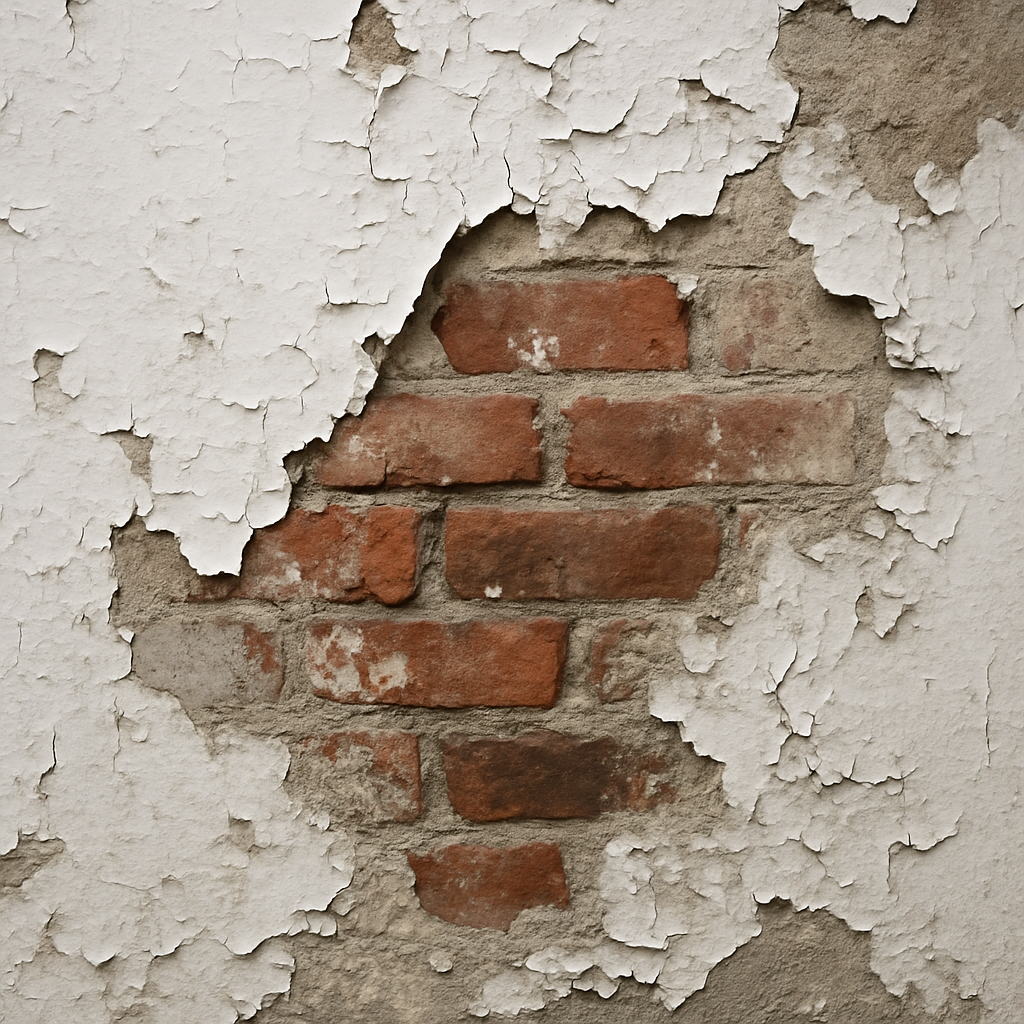
Moisture Trapped Behind the Paint
Brick is naturally porous. It breathes. That means it allows moisture to escape, which is essential for the health of your walls. When you apply paint to a brick surface, especially standard house paint, you are effectively sealing those pores. That moisture that used to evaporate can now get trapped inside the wall.
In Milwaukee, where we deal with heavy rain, snowmelt, and humid summers, that is a recipe for disaster. Trapped moisture leads to flaking paint, spalling bricks, and even structural damage over time. We have seen entire facades bubble and peel within just a couple of years. And once that starts, it does not stop on its own.
The Paint Always Fails
There is no paint that will last forever on brick. Even the best masonry paints will degrade with time, and the more extreme your weather, the faster that happens. The moment hairline cracks appear, water finds its way in. Then freeze-thaw cycles do their work, expanding and contracting behind the paint, lifting it from the surface and exposing the damage beneath.
This is not something that happens twenty years down the road. It is common to see problems within five, sometimes even two years. Repainting will not solve it. You can strip the loose paint and add more layers, but that only adds to the trap. Eventually, you will need to either strip the brick entirely or cover the whole wall with siding or stucco.
Stripping the Paint Is No Easy Fix
Let’s say you decide to reverse the decision. Removing paint from brick is difficult, expensive, and not always fully effective. Power washing can damage the brick face. Sandblasting can destroy the finish. Chemical strippers may work, but they are messy and toxic, especially around gardens or kids. Often, you are left with a patchy result that looks worse than before.
Once the original texture and breathability of the brick is lost, it is rarely restored to its former condition. In many cases, we end up rebuilding sections of the wall instead of trying to salvage it. That is not something most homeowners budget for when they pick up a few cans of paint on a weekend.
Hidden Costs and Long-Term Damage
Many people are surprised when their painted brick starts to deteriorate quickly. Water damage leads to repointing costs, repairs to the wall structure, mold issues inside the home, and in the worst cases, full demolition and rebuilds of the affected section. A little upfront savings on paint can spiral into thousands in repairs.
We have dealt with homes where entire chimneys had to come down because of moisture trapped behind paint. The bricks softened from the inside out, the mortar failed, and water began leaking into the home. The homeowners had no idea that paint was the root cause until it was too late.
What to Do Instead
If your brick looks old or stained, there are better solutions than paint. Professional cleaning, for example, can remove decades of grime and restore the natural beauty of your brick. If your home has patchy or mismatched areas, tuckpointing and brick replacement can bring everything into visual alignment without risking moisture damage.
Another option is mineral silicate paints or stains that allow the wall to breathe. These are more expensive and harder to apply properly, but they do not seal the brick in the way acrylic paints do. Even so, we only recommend these in very specific cases, and always with a professional inspection first.
When Paint Is Acceptable
There are rare instances where painting brick makes sense. If the wall is already sealed, heavily damaged, or part of a non-structural interior feature, painting might be harmless. Some old commercial buildings have already lost the integrity of their exterior brick and benefit more from a uniform, sealed finish.
But for most residential properties, especially in Milwaukee’s freeze-prone climate, unpainted brick is always the better choice.
Let Brick Be Brick
Brick was never meant to be covered. It was designed to breathe, to age naturally, and to require minimal upkeep. Painting it turns a low-maintenance material into a high-maintenance liability. As masons, we love brick for its durability and its beauty. Covering it up with a layer of paint rarely honors either one.
If you are considering painting your home’s brick, talk to a professional first. There may be safer, longer-lasting ways to achieve the look you want. And if the paint is already on there and things are starting to go south, we can help assess the damage and lay out your best options going forward.
Thinking about painting your brick?
Let’s talk first. We offer honest, experienced advice and can help you avoid costly mistakes. Whether you’re facing peeling paint or just exploring your options, Milwaukee Brickwork Brigade is here to help. Reach out anytime for a no-pressure assessment.