
What to Do When Your Chimney Starts Leaning (Or Cracking)
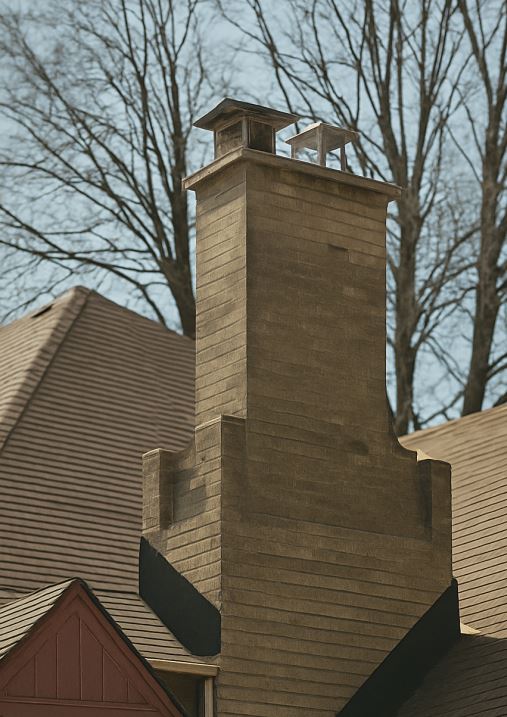
A leaning or cracking chimney might not seem urgent at first. But in our line of work, we’ve seen what happens when homeowners in Milwaukee ignore the early signs. What begins as a slight lean or a few visible cracks can turn into a serious structural issue, and often far sooner than people expect. If you’ve noticed anything unusual about your chimney lately, here’s what you need to know before it gets worse. Why Chimneys Start to Lean Most chimneys are built on small, independent footings rather than being tied directly into the main foundation of the house. That makes them especially vulnerable to shifting over time, especially in areas like Milwaukee where the freeze-thaw cycle wreaks havoc on exterior masonry. Some common causes include: It doesn’t take a dramatic failure to start seeing movement. Even a slight lean of a few degrees is enough to compromise the surrounding bricks and mortar. How to Tell if Your Chimney Is Moving Homeowners often miss the early signs, thinking the changes are just cosmetic. Here’s what to look for: Is This Dangerous? Yes, it can be. A chimney that shifts too far from the house can collapse under its own weight, especially during high winds, freeze-thaw cycles, or after heavy rains. Even if it doesn’t fall, a leaning chimney puts pressure on the roofline and nearby framing, which can create leaks, damage interior walls, and lead to much costlier repairs. Worst case scenario, it becomes a safety risk for anyone walking below or using the fireplace. What Should You Do First? The smartest first step is always to get a professional inspection. A good masonry contractor will assess: From there, they’ll recommend one of three routes: Don’t Try to Patch Over It One of the most common mistakes we see is homeowners trying to fix a leaning chimney with sealants, foam, or new caulk. That might mask the problem for a few months, but it won’t stop the structural movement, and the eventual cost will only grow. In some cases, people even try to cover over damaged brick with a veneer, which just hides the problem while allowing it to worsen underneath. How Milwaukee’s Weather Makes It Worse Milwaukee sees a lot of freeze-thaw cycles during the year. Water seeps into hairline cracks, freezes, and then expands. That expansion pushes bricks outward, weakens joints, and makes even minor movement worse over time. Combined with spring rains and poor drainage around the home, this creates the perfect storm for a chimney to fail. Need Chimney Repair in Milwaukee? At Milwaukee Brickwork Brigade, we’ve rebuilt, repointed, and secured chimneys all over the city. We know how quickly things can shift from “minor crack” to “major problem,” and we’re here to catch it early. If your chimney looks a little off, or you just want peace of mind; schedule a quick evaluation. We’ll take a look and give you a straightforward answer. No pressure. Estimates are always free and without strings attached.
Matching Brick Isn’t Easy (But Here’s How We Nail It Every Time in Milwaukee)
When it comes to brick repair, most people worry about cracks, crumbling mortar, or bulging walls. But one challenge gets overlooked until it’s staring you in the face: matching the new brick to the old. If you’ve ever driven past a repair job and thought, “Why is that patch a totally different color?”—you know what we’re talking about. Mismatched brick ruins curb appeal, draws attention to old damage, and makes a home look like it was poorly maintained. Worse, it can even affect property value if the job looks obvious or sloppy. Here in Milwaukee, matching brick is especially tough. Our city is full of older homes, mixed clay sources, and climate wear that changes the look of every wall over time. But we get it right—every time. Here’s how. Why Brick Matching Is So Difficult 1. Bricks Change Over TimeSunlight, pollution, moisture, and freezing temperatures all affect brick over the years. Even bricks from the same manufacturer will look completely different after 20, 30, or 50 years in the elements. 2. The Originals May Be DiscontinuedManufacturers go out of business or stop producing specific lines. If your home was built in the 1950s, the original bricks probably aren’t available anymore. 3. Color Isn’t the Only FactorPeople tend to focus on color when trying to match brick, but it’s only part of the equation. The texture, size, edge shape, and even how the light hits the surface all play a role. Miss one of these elements and the repair will stand out. 4. Mortar Color Matters TooEven a perfect brick match will look off if the mortar doesn’t match. This is often the biggest giveaway in a poor repair job. 5. Weathering and Staining Are UniqueNo two bricks age the same. Some collect soot or water stains. Others sun-fade or darken. It’s not just about finding the right type—it’s about finding the right version of that type with the right wear pattern. 6. Regional Variations in MilwaukeeHomes in Wauwatosa, Shorewood, and Whitefish Bay use different bricks than those in West Allis or Bay View. Local availability and architectural trends varied from decade to decade and neighborhood to neighborhood. Our Brick Matching Process We don’t believe in guesswork. Every match we make goes through a structured, hands-on process that’s been refined over years of Milwaukee brick repair jobs. Here’s what it looks like: Step 1: Site EvaluationWe start with an in-person inspection. Photos don’t cut it. We look at the wall in different light conditions, assess its exposure history, and check for any prior repairs or discoloration that may affect the outcome. Step 2: Salvage When PossibleIf the structure allows for it, we remove damaged bricks carefully and reuse them during the rebuild. This guarantees a perfect match. Step 3: Inventory MatchingWe work with local and regional suppliers who keep databases of discontinued and rare bricks. When needed, we sort through hundreds of options to find something nearly identical. Step 4: Custom TintingIn cases where we can’t find a perfect match, we use specialty brick stains and tints to adjust the color. This isn’t a sloppy paint job—it’s a masonry-safe process that penetrates the brick and adjusts its appearance without peeling or fading. Step 5: Mortar Analysis and MatchingWe match not only the mortar color, but the texture and tooling pattern as well. Mortar that’s too light or too smooth makes even good brick look off. Step 6: Blend, Don’t PatchInstead of filling a single obvious area, we feather out repairs into surrounding brickwork. This avoids the “patched” look and helps the repair disappear entirely. Step 7: Post-Cure ReviewA week or two after the repair, we return to assess how the new brick is aging in its environment. If tinting needs adjusting or joints need touch-up, we handle it. Matching Brick in Historic Milwaukee Neighborhoods In areas like Bay View, Brewer’s Hill, and the East Side, getting the match right isn’t just aesthetic—it’s mandatory. Historic homes come with restrictions on exterior work, and poor matches can trigger violations or permit issues. We’re experienced in working with Milwaukee’s historical preservation guidelines and take the time to get approvals when needed. We also understand how different eras used different materials. Cream City brick, for example, has a distinct soft yellow tone that’s notoriously hard to match. We’ve worked with it for years and know the ins and outs of sourcing and tinting to get the look just right. We’ve also handled blended walls—homes where a past repair used bricks from another era or region. In those cases, we build a transition zone to avoid harsh contrasts and ensure a smoother visual flow. Don’t Trust a Contractor Who Says “Close Enough” Too many contractors treat brick matching as an afterthought. They quote the job cheap, grab something from the nearest yard, and hope the customer doesn’t notice until it’s too late. But you will notice—and so will everyone else who walks by. We’ll never tell you a match is “close enough” when it isn’t. If we think a true match isn’t possible, we’ll tell you upfront and walk you through your options. That might mean salvaging bricks from a less visible part of your home, using a blend technique, or tinting after install. The point is: we care. And we get it right. We even keep a reference library of past jobs and samples. That lets us continually refine our techniques and gives new clients a chance to see what’s possible—even in tough cases. Ready to Fix That Wall? Let’s Make It Seamless If you’ve got cracked bricks, damaged mortar, or structural issues, we’ll repair them right—and make it look like it never happened. Whether your home is 20 years old or over a century, we know how to blend new work into old walls so nothing stands out. Call us today at 414-250-7870 or use the contact form to send us a few photos. We’ll give you an honest assessment, walk you through the process, and get the match right the first