
What to Do When Your Chimney Starts Leaning (Or Cracking)
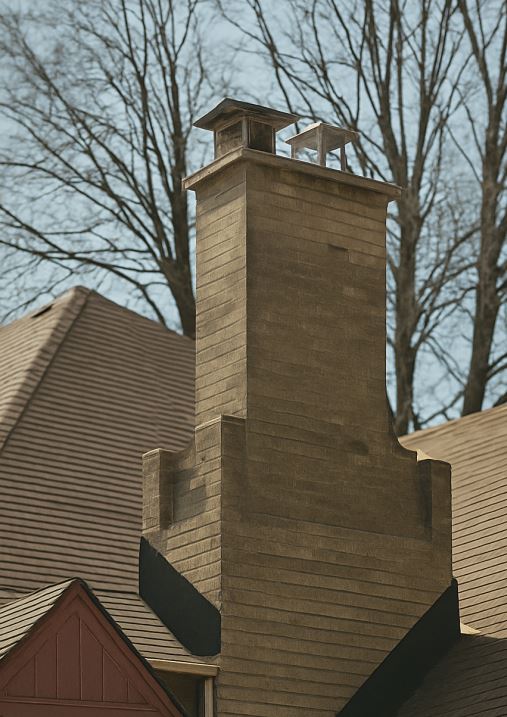
A leaning or cracking chimney might not seem urgent at first. But in our line of work, we’ve seen what happens when homeowners in Milwaukee ignore the early signs. What begins as a slight lean or a few visible cracks can turn into a serious structural issue, and often far sooner than people expect. If you’ve noticed anything unusual about your chimney lately, here’s what you need to know before it gets worse. Why Chimneys Start to Lean Most chimneys are built on small, independent footings rather than being tied directly into the main foundation of the house. That makes them especially vulnerable to shifting over time, especially in areas like Milwaukee where the freeze-thaw cycle wreaks havoc on exterior masonry. Some common causes include: It doesn’t take a dramatic failure to start seeing movement. Even a slight lean of a few degrees is enough to compromise the surrounding bricks and mortar. How to Tell if Your Chimney Is Moving Homeowners often miss the early signs, thinking the changes are just cosmetic. Here’s what to look for: Is This Dangerous? Yes, it can be. A chimney that shifts too far from the house can collapse under its own weight, especially during high winds, freeze-thaw cycles, or after heavy rains. Even if it doesn’t fall, a leaning chimney puts pressure on the roofline and nearby framing, which can create leaks, damage interior walls, and lead to much costlier repairs. Worst case scenario, it becomes a safety risk for anyone walking below or using the fireplace. What Should You Do First? The smartest first step is always to get a professional inspection. A good masonry contractor will assess: From there, they’ll recommend one of three routes: Don’t Try to Patch Over It One of the most common mistakes we see is homeowners trying to fix a leaning chimney with sealants, foam, or new caulk. That might mask the problem for a few months, but it won’t stop the structural movement, and the eventual cost will only grow. In some cases, people even try to cover over damaged brick with a veneer, which just hides the problem while allowing it to worsen underneath. How Milwaukee’s Weather Makes It Worse Milwaukee sees a lot of freeze-thaw cycles during the year. Water seeps into hairline cracks, freezes, and then expands. That expansion pushes bricks outward, weakens joints, and makes even minor movement worse over time. Combined with spring rains and poor drainage around the home, this creates the perfect storm for a chimney to fail. Need Chimney Repair in Milwaukee? At Milwaukee Brickwork Brigade, we’ve rebuilt, repointed, and secured chimneys all over the city. We know how quickly things can shift from “minor crack” to “major problem,” and we’re here to catch it early. If your chimney looks a little off, or you just want peace of mind; schedule a quick evaluation. We’ll take a look and give you a straightforward answer. No pressure. Estimates are always free and without strings attached.
Cracks Over Your Windows? It Might Be a Lintel Problem
You’re walking around your house, enjoying a nice day, and then—bam—you spot a crack forming above your window. Maybe it’s small. Maybe it’s zigzagging like lightning through the bricks. Either way, it doesn’t look good. But what’s actually going on? If there’s one thing we’ve seen time and time again here in Milwaukee, it’s homeowners ignoring those little cracks until they turn into serious structural problems. Most of the time, the issue isn’t the brick itself. It’s the lintel. Let’s break down what a lintel is, why it fails, what signs to look for, and—most importantly—how we fix it the right way. What’s a Lintel, Anyway? A lintel is a horizontal support—usually made of steel or concrete—that sits above windows and doors in brick walls. It carries the weight of the bricks above the opening, preventing them from sagging or cracking. Without a lintel, or with one that’s failing, the bricks above your windows and doors can’t hold themselves up. That’s when you start seeing cracks, shifting masonry, or bowed walls. In older Milwaukee homes, many of these lintels were installed decades ago and weren’t designed to last forever. Add in our freeze-thaw cycles, moisture, and general Midwest weather abuse, and you’ve got a recipe for failure. Common Signs of Lintel Trouble Here’s what to watch out for: 1. Cracks Forming Above Windows or DoorsEspecially those that angle upward from the corners—classic sign the lintel is sagging and bricks are being forced to carry weight they weren’t meant to. 2. Rust Stains on the BrickSteel lintels rust. When that rust expands, it puts pressure on the bricks, causing them to crack or bulge. The rust also bleeds through, leaving brown streaks. 3. Bowing or Bulging WallsIf the wall above an opening is starting to bulge outward, it’s often because the lintel has failed and the bricks are being pushed out of place. 4. Separation Between Brick and Window FrameThe gap wasn’t always there—it’s growing as the support shifts and bricks drop. 5. Water InfiltrationFailed lintels allow moisture into areas it doesn’t belong. This leads to interior leaks, insulation damage, and even mold. 6. Brick Displacement During StormsIn homes with already weakened lintels, a heavy rain or windstorm can dislodge bricks or expand existing cracks overnight. Why Milwaukee Homes Are at Risk We’re not just making noise. Lintel issues are rampant in this area for a few key reasons: In neighborhoods like Riverwest, Sherman Park, and Bay View, homes often sit on tight lots and were built with older materials. Brick lintels or undersized steel supports were common in many of these homes. We’ve handled dozens of projects in these areas and know what to expect. Our Lintel Repair Process We don’t cut corners—because doing this wrong is worse than not doing it at all. Here’s how we approach lintel repair in Milwaukee: Step 1: Full InspectionWe start by examining both the visible damage and the hidden causes. We check the condition of the lintel, flashing, mortar joints, and surrounding masonry. We also assess if there are drainage or grading issues contributing to the failure. Step 2: Brick RemovalWe carefully remove bricks above the window or door to access the failing lintel. Our crew is trained to do this without damaging surrounding masonry. Step 3: Replace or Reinforce the LintelDepending on the extent of the damage, we’ll either install a new galvanized steel lintel or reinforce the existing one. We make sure it’s properly sized and seated to carry the full load. Galvanized lintels are our go-to—they resist rust better and last longer in our climate. Step 4: Add Flashing and SealantsThis part is crucial. We install proper flashing above the lintel to redirect water and keep future rust at bay. Sealants are used to protect all vulnerable joints. Step 5: Rebuild with Matching Brick and MortarOnce the structure is sound, we reinstall the bricks, taking the time to match the existing mortar color and texture so the repair doesn’t stand out. We use reclaimed brick when necessary, and we’re not afraid to stain and blend. Step 6: Final Grade and Drainage CheckWe make sure water flows away from the repair—not toward it. This prevents a repeat problem down the road. Step 7: Warranty and Check-InWe stand by our work. Once the repair is done, we schedule a follow-up inspection in 6–12 months to make sure everything’s still solid. Real Stories from Milwaukee Homeowners One customer in the Bay View area called us because their second-story window had a widening crack. Another contractor told them it was just a cosmetic issue. We knew better. We opened up the wall and found a completely rusted lintel with crumbling support. We replaced it, cleaned the surrounding bricks, and now you can’t even tell work was done. Another project in Wauwatosa involved a historic brick home where a previous repair had been done without any lintel at all—just mortar holding things up. It held for a few years, then started to collapse. We rebuilt the opening with proper support and saved the original bricks. We also helped a homeowner in Glendale who’d dealt with two prior repairs—both had skipped the flashing. Their lintel rusted again within five years. We rebuilt it from scratch, added a water diverter, and made sure the wall won’t need attention again for decades. In one East Side triplex, we were called after a renter reported a musty smell coming from the window. Turns out, a failed lintel had let water in through the brick cavity for months. We caught it in time to prevent major mold and helped the owner avoid thousands in water damage. Lintel Work Isn’t DIY—and It’s Not Optional Fixing a lintel isn’t like caulking a crack. It’s structural work. Done wrong, it can compromise the entire wall, and in some cases, the floors above it. We’ve had to redo too many jobs from other contractors who reused the same failing lintel or skipped basic weatherproofing steps. Our goal isn’t just to make the wall
Matching Brick Isn’t Easy (But Here’s How We Nail It Every Time in Milwaukee)
When it comes to brick repair, most people worry about cracks, crumbling mortar, or bulging walls. But one challenge gets overlooked until it’s staring you in the face: matching the new brick to the old. If you’ve ever driven past a repair job and thought, “Why is that patch a totally different color?”—you know what we’re talking about. Mismatched brick ruins curb appeal, draws attention to old damage, and makes a home look like it was poorly maintained. Worse, it can even affect property value if the job looks obvious or sloppy. Here in Milwaukee, matching brick is especially tough. Our city is full of older homes, mixed clay sources, and climate wear that changes the look of every wall over time. But we get it right—every time. Here’s how. Why Brick Matching Is So Difficult 1. Bricks Change Over TimeSunlight, pollution, moisture, and freezing temperatures all affect brick over the years. Even bricks from the same manufacturer will look completely different after 20, 30, or 50 years in the elements. 2. The Originals May Be DiscontinuedManufacturers go out of business or stop producing specific lines. If your home was built in the 1950s, the original bricks probably aren’t available anymore. 3. Color Isn’t the Only FactorPeople tend to focus on color when trying to match brick, but it’s only part of the equation. The texture, size, edge shape, and even how the light hits the surface all play a role. Miss one of these elements and the repair will stand out. 4. Mortar Color Matters TooEven a perfect brick match will look off if the mortar doesn’t match. This is often the biggest giveaway in a poor repair job. 5. Weathering and Staining Are UniqueNo two bricks age the same. Some collect soot or water stains. Others sun-fade or darken. It’s not just about finding the right type—it’s about finding the right version of that type with the right wear pattern. 6. Regional Variations in MilwaukeeHomes in Wauwatosa, Shorewood, and Whitefish Bay use different bricks than those in West Allis or Bay View. Local availability and architectural trends varied from decade to decade and neighborhood to neighborhood. Our Brick Matching Process We don’t believe in guesswork. Every match we make goes through a structured, hands-on process that’s been refined over years of Milwaukee brick repair jobs. Here’s what it looks like: Step 1: Site EvaluationWe start with an in-person inspection. Photos don’t cut it. We look at the wall in different light conditions, assess its exposure history, and check for any prior repairs or discoloration that may affect the outcome. Step 2: Salvage When PossibleIf the structure allows for it, we remove damaged bricks carefully and reuse them during the rebuild. This guarantees a perfect match. Step 3: Inventory MatchingWe work with local and regional suppliers who keep databases of discontinued and rare bricks. When needed, we sort through hundreds of options to find something nearly identical. Step 4: Custom TintingIn cases where we can’t find a perfect match, we use specialty brick stains and tints to adjust the color. This isn’t a sloppy paint job—it’s a masonry-safe process that penetrates the brick and adjusts its appearance without peeling or fading. Step 5: Mortar Analysis and MatchingWe match not only the mortar color, but the texture and tooling pattern as well. Mortar that’s too light or too smooth makes even good brick look off. Step 6: Blend, Don’t PatchInstead of filling a single obvious area, we feather out repairs into surrounding brickwork. This avoids the “patched” look and helps the repair disappear entirely. Step 7: Post-Cure ReviewA week or two after the repair, we return to assess how the new brick is aging in its environment. If tinting needs adjusting or joints need touch-up, we handle it. Matching Brick in Historic Milwaukee Neighborhoods In areas like Bay View, Brewer’s Hill, and the East Side, getting the match right isn’t just aesthetic—it’s mandatory. Historic homes come with restrictions on exterior work, and poor matches can trigger violations or permit issues. We’re experienced in working with Milwaukee’s historical preservation guidelines and take the time to get approvals when needed. We also understand how different eras used different materials. Cream City brick, for example, has a distinct soft yellow tone that’s notoriously hard to match. We’ve worked with it for years and know the ins and outs of sourcing and tinting to get the look just right. We’ve also handled blended walls—homes where a past repair used bricks from another era or region. In those cases, we build a transition zone to avoid harsh contrasts and ensure a smoother visual flow. Don’t Trust a Contractor Who Says “Close Enough” Too many contractors treat brick matching as an afterthought. They quote the job cheap, grab something from the nearest yard, and hope the customer doesn’t notice until it’s too late. But you will notice—and so will everyone else who walks by. We’ll never tell you a match is “close enough” when it isn’t. If we think a true match isn’t possible, we’ll tell you upfront and walk you through your options. That might mean salvaging bricks from a less visible part of your home, using a blend technique, or tinting after install. The point is: we care. And we get it right. We even keep a reference library of past jobs and samples. That lets us continually refine our techniques and gives new clients a chance to see what’s possible—even in tough cases. Ready to Fix That Wall? Let’s Make It Seamless If you’ve got cracked bricks, damaged mortar, or structural issues, we’ll repair them right—and make it look like it never happened. Whether your home is 20 years old or over a century, we know how to blend new work into old walls so nothing stands out. Call us today at 414-250-7870 or use the contact form to send us a few photos. We’ll give you an honest assessment, walk you through the process, and get the match right the first